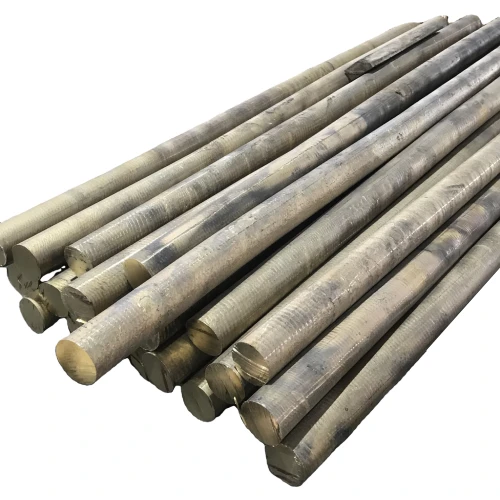
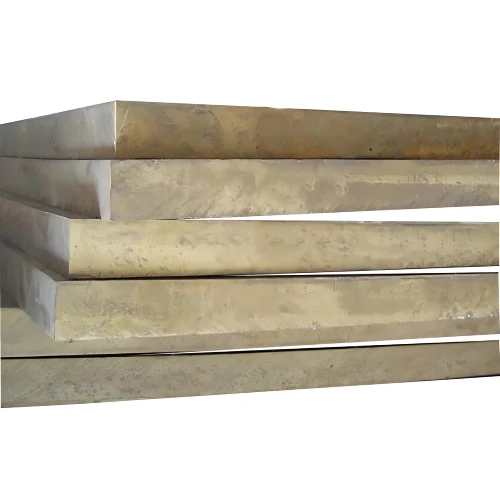
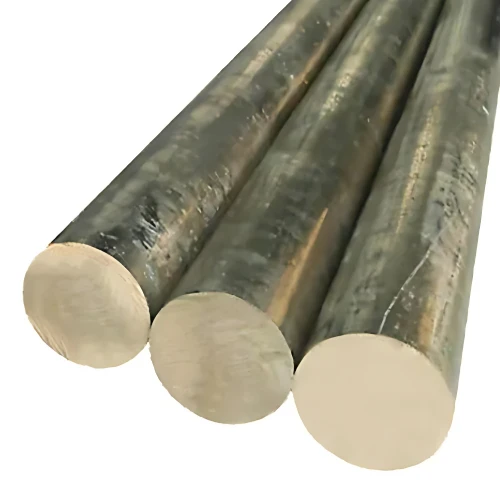
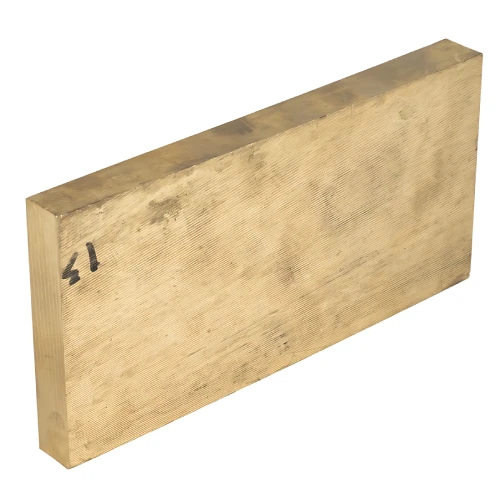
C72500: Copper-Nickel-Tin Alloy for Strength, Corrosion Resistance, and Solderability
C72500 is a copper alloy belonging to the copper-nickel-tin family. It's known for its good combination
of moderate strength, excellent corrosion resistance, and outstanding solderability. Here's a breakdown
of its key aspects:
Table: Key Properties of C72500
| Property |
Description |
| Chemical Composition |
- Primarily Copper (Cu): Minimum 88.2% <br> - Nickel (Ni): Up to 10% <br> - Tin
(Sn): 1.5-2.5% <br> - Other (Fe, Pb, etc.): Trace amounts (Lead-free)
|
| Mechanical Properties |
- Moderate tensile and yield strength <br> - Excellent corrosion resistance, particularly
in marine environments <br> - Excellent solderability due to tin content <br> - Fair
machinability
|
| Common Brands (By Country) |
- Europe: CuNi9Sn2 [Europe] <br> - US: C72500 |
Important Note: C72500 is typically lead-free. However, it's always recommended to
consult the specific datasheet for the material you're considering.
Common Questions and Answers:
What are the typical applications of C72500?
C72500 finds use in various industries due to its well-suited properties:
Electronic components: Due to its solderability and corrosion resistance, C72500 is used
for electronic components and lead frames.
Marine applications: C72500 excels in saltwater environments due to its exceptional
corrosion resistance. It's used for valves, fittings, heat exchangers, and other marine hardware.
Building and construction: C72500 can be used for roofing materials and architectural
elements due to its corrosion resistance and solderability.
How does C72500 compare to other copper alloys?
C72500 offers some advantages:
Excellent corrosion resistance: Especially in saltwater environments, C72500 is superior to
many other copper alloys.
Outstanding solderability: The presence of tin makes C72500 ideal for applications
requiring strong soldered joints.
Lead-free: C72500 is environmentally friendly and avoids health hazards associated with
lead during processing.
However, there are also some limitations:
Moderate strength: Compared to some other copper alloys, C72500 offers moderate strength.
Fair machinability: Machinability of C72500 is not exceptional.
Are there alternatives to C72500?
Depending on the specific application requirements, some alternative copper alloys can be considered:
High-strength copper alloys (e.g., C72900): Offer higher strength but might have slightly
lower corrosion resistance and solderability.
Nickel-aluminum bronzes: Excellent corrosion resistance and good strength, but might be
more expensive than C72500.
Important Note: Always consult with a material engineer or supplier to identify the most
suitable copper alloy for your specific application considering factors like strength, corrosion resistance,
solderability, machinability, lead content (regulations), and cost.
The above content was generated by AI assistance.