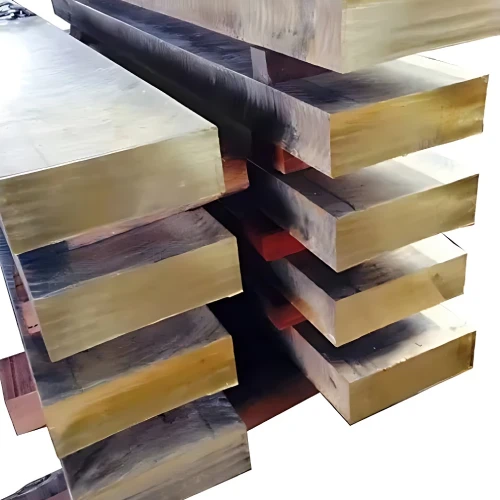
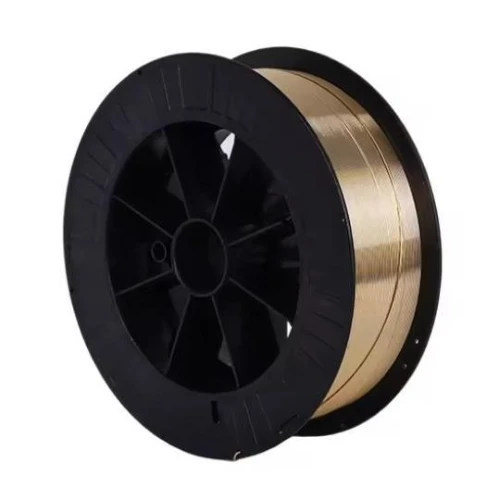
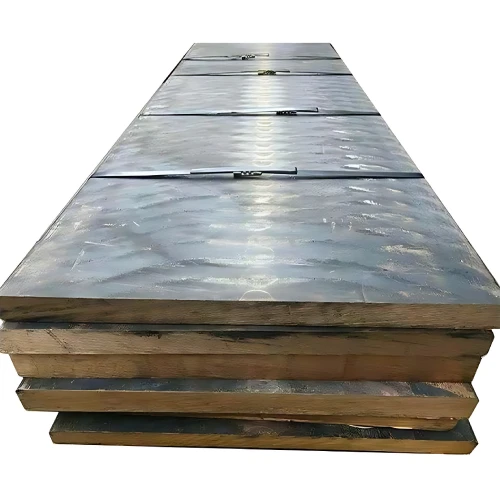
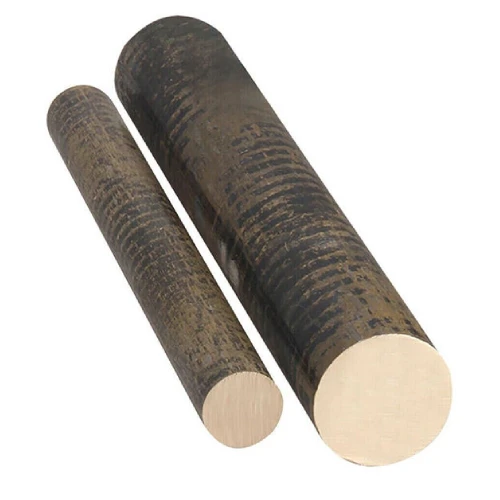
C91700 is a copper alloy belonging to the high-tin bronze family. It's prized for its exceptional
strength, wear resistance, and good corrosion resistance. Unlike some other tin bronzes, C91700 contains no
lead, making it a more environmentally friendly choice.
Table: Key Properties of C91700
| Property |
Description |
| Chemical Composition |
- Primarily Copper (Cu): Balance <br> - Tin (Sn): 7-9% <br> - Other (Fe, Zn, etc.):
Trace amounts
|
| Mechanical Properties |
- High tensile and yield strength <br> - Excellent wear resistance <br> - Good
machinability <br> - Good corrosion resistance
|
| Common Brands (By Country) |
- Europe: CuSn7 [Europe], CW602 [Europe] <br> - US: High-Tin Bronze |
Common Questions and Answers:
What are the typical applications of C91700?
C91700 is a versatile alloy used in various applications due to its well-rounded properties:
Gears: Its strength and wear resistance make it suitable for gears, particularly for
medium-load applications.
Bearings and bushings: C91700 can be used for bearings and bushings in applications with
moderate to high loads.
Wear plates and liners: Industrial machinery can benefit from C91700's wear resistance
for wear plates and liners.
Corrosion-resistant components: Due to its good corrosion resistance, C91700 can be found
in applications exposed to mild corrosive environments.
How does C91700 compare to other tin bronzes?
Unlike some high-lead tin bronzes (e.g., C93200. C93400), C91700 offers the advantage of being lead-free.
This makes it a safer and more environmentally friendly option. However, its machinability might be slightly
lower compared to leaded alternatives.
What are some limitations of C91700?
While C91700 offers many advantages, there are a few limitations to consider:
Cost: Compared to leaded bronzes, C91700 can be slightly more expensive.
Welding: Welding C91700 requires specific techniques to prevent cracking. Consulting a
welding professional is recommended.
Important Note: Always consult with a material engineer or supplier to identify the most
suitable copper alloy for your specific application considering factors like strength, wear resistance,
corrosion resistance, machinability, and cost.
The above content was generated by AI assistance.